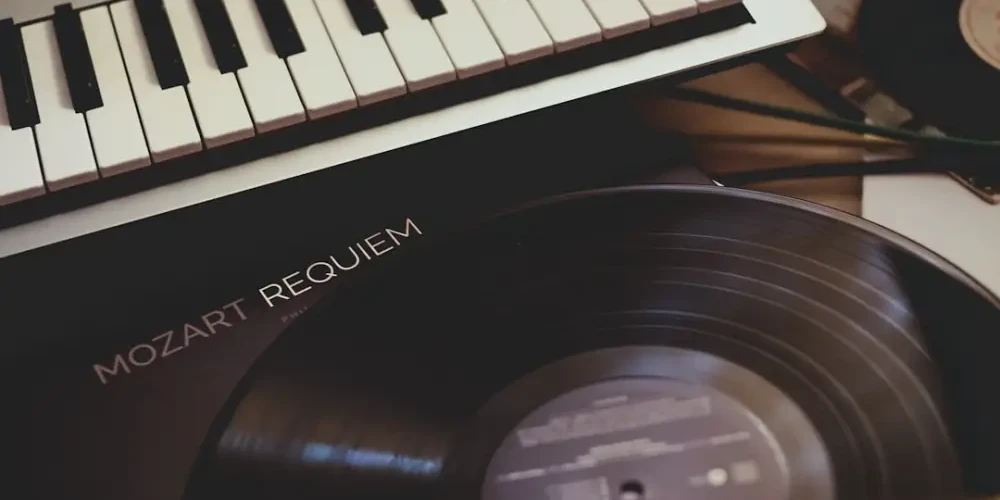

Jazz music is one of the most expressive and influential genres in modern history. Known for its improvisation, rich harmonies, and distinctive rhythms, jazz offers a listening experience unlike any other.
If you’re new to jazz, it can feel overwhelming at first—but once you understand the basics, it becomes an exciting world to explore. This beginner’s guide will help you discover key styles, sounds, and where to start your journey.
What Is Jazz Music?
Jazz is a genre that originated in the early 20th century, deeply rooted in African American musical traditions. It blends elements of blues, ragtime, and European harmony to create a unique and evolving sound.
What makes jazz stand out is its emphasis on:
- Improvisation
- Syncopation (unexpected rhythms)
- Swing feel
- Individual expression
Unlike many other genres, no two jazz performances are ever exactly the same.
The Core Elements of Jazz
Understanding a few key elements can make listening to jazz much more enjoyable:
Improvisation
Musicians often create melodies on the spot, showcasing creativity and technical skill.
Swing Rhythm
A distinctive groove that gives jazz its “bounce” and flow.
Call and Response
A musical conversation between instruments or performers.
Complex Harmony
Jazz uses rich chords and progressions that add depth and emotion.

Popular Jazz Styles Explained
Jazz has evolved into many different styles over the decades. Here are some of the most important ones for beginners:
1. Traditional (New Orleans) Jazz
This is where it all began—lively, upbeat, and often featuring group improvisation.
Start with:Louis Armstrong
2. Swing (Big Band Jazz)
Popular in the 1930s and 1940s, swing is energetic and danceable, often performed by large ensembles.
Start with:Duke Ellington
3. Bebop
A fast-paced, complex style focused on improvisation and technical skill.
Start with:Charlie Parker
4. Cool Jazz
A more relaxed and smooth style that emerged as a contrast to bebop.
Start with:Miles Davis
5. Hard Bop
A blend of bebop with blues and gospel influences, offering a more soulful sound.
Start with:Art Blakey
6. Modal Jazz
Focused on musical modes rather than complex chord changes, creating a more open sound.
Start with:Kind of Blue
7. Jazz Fusion
A modern style combining jazz with rock, funk, and electronic elements.
Start with:Herbie Hancock
Essential Jazz Instruments
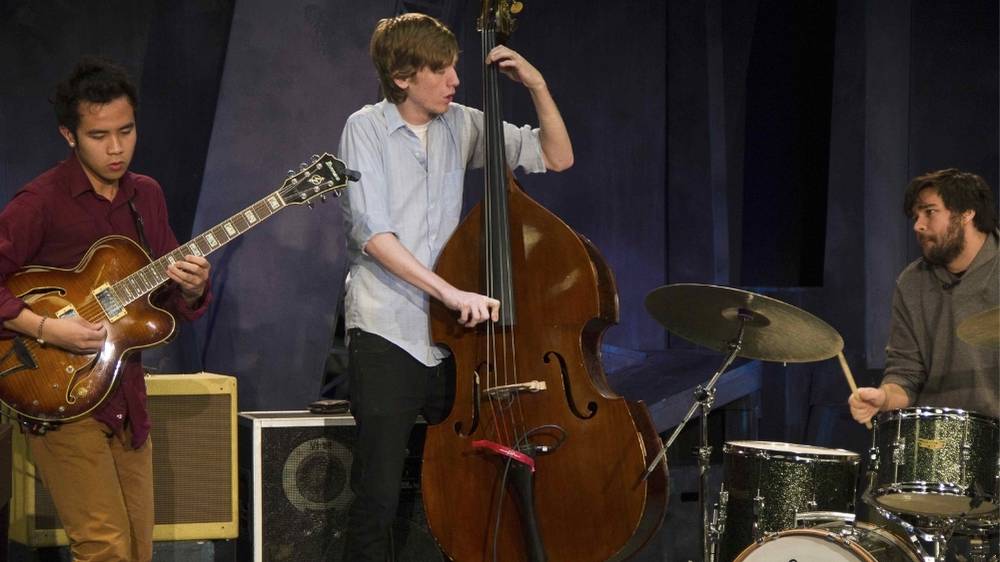
Jazz is known for its diverse instrumentation. Common instruments include:
- Saxophone
- Trumpet
- Piano
- Double bass
- Drums
- Guitar
Each instrument plays a unique role, often taking turns leading and supporting.
Where to Start Listening to Jazz
If you’re just beginning, here are some easy ways to dive in:
Start with Iconic Artists
Explore the works of legends like Ella Fitzgerald and John Coltrane.
Listen to Classic Albums
Albums such as Kind of Blue are widely considered essential listening.
Try Curated Playlists
Streaming platforms offer beginner-friendly jazz playlists that mix styles and eras.
Attend Live Performances
Experiencing jazz live is one of the best ways to understand its improvisational nature.
Tips for Enjoying Jazz as a Beginner
Getting into jazz doesn’t require technical knowledge—just an open mind.
- Start with slower, more melodic styles
- Listen actively and focus on individual instruments
- Revisit songs to catch new details
- Explore different styles to find what you enjoy
Jazz becomes more rewarding the more you listen.
Common Misconceptions About Jazz
“Jazz is too complicated”
While some styles are complex, many are accessible and enjoyable for beginners.
“You need musical knowledge to appreciate it”
Anyone can enjoy jazz—no expertise required.
“All jazz sounds the same”
Jazz is incredibly diverse, with styles ranging from energetic to deeply relaxed.
Final Thoughts
Jazz is a genre built on creativity, freedom, and expression. For beginners, it offers a rich and rewarding listening experience that grows over time.
By exploring different styles, artists, and recordings, you’ll gradually develop your own taste and appreciation for this timeless genre.
Whether you prefer smooth melodies or complex improvisations, there’s a place for everyone in the world of jazz.