10 Essential Jazz Styles Every Listener Should Know
Jazz is a genre defined by its diversity, creativity, and constant evolution. From its roots in New Orleans to modern experimental sounds, jazz has developed into a rich landscape of styles—each with its own unique character.
Whether you’re new to jazz or looking to deepen your appreciation, understanding these essential styles will help you navigate the genre with confidence.
Why Jazz Has So Many Styles
Jazz has evolved over more than a century, influenced by cultural shifts, technological advances, and individual artistry. Each era introduced new ideas, resulting in distinct styles that reflect different moods, techniques, and musical philosophies.
Exploring these styles is the best way to understand the depth of jazz.
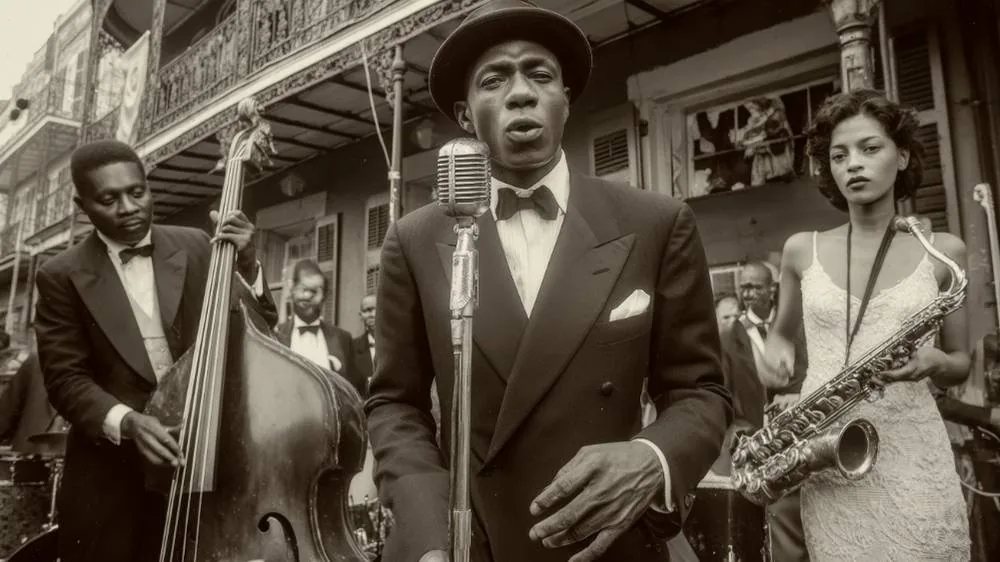
1. New Orleans (Traditional Jazz)
This is where jazz began—lively, rhythmic, and full of collective improvisation.
Key characteristics:
Group improvisation
Brass-heavy sound
Upbeat and energetic
Listen to:Louis Armstrong
2. Swing (Big Band Era)
Swing dominated the 1930s and 1940s, bringing jazz into mainstream popularity.
Key characteristics:
Strong rhythm section
Danceable grooves
Large ensembles
Listen to:Count Basie
3. Bebop
A fast, complex style that shifted jazz from dance music to an art form.
Key characteristics:
Rapid tempos
Complex harmonies
Virtuosic improvisation
Listen to:Charlie Parker
4. Cool Jazz
A smoother, more relaxed alternative to bebop.
Key characteristics:
Slower tempos
Soft dynamics
Emphasis on tone and space
Listen to:Miles Davis
5. Hard Bop
An evolution of bebop that incorporates blues and gospel influences.
Key characteristics:
Soulful feel
Strong rhythms
Emotional expression
Listen to:Art Blakey
6. Modal Jazz
A style that focuses on musical modes rather than traditional chord progressions.
Key characteristics:
Open, spacious sound
Fewer chord changes
Emphasis on improvisation
Listen to:Kind of Blue
7. Free Jazz
An experimental approach that breaks traditional rules of harmony and rhythm.
Key characteristics:
No fixed structure
High improvisation
Avant-garde sound
Listen to:Ornette Coleman
8. Jazz Fusion
A blend of jazz with rock, funk, and electronic music.
Key characteristics:
Electric instruments
Strong grooves
Cross-genre influences
Listen to:Herbie Hancock
9. Latin Jazz
A fusion of jazz with Latin American rhythms.
Key characteristics:
Syncopated rhythms
Percussion-driven
Danceable feel
Listen to:Tito Puente
10. Contemporary Jazz
Modern jazz that blends traditional elements with current musical trends.
Key characteristics:
Diverse influences
Modern production
Accessible sound
Listen to:Kamasi Washington
How to Explore Jazz Styles Effectively
To truly understand jazz, it’s important to listen actively and explore different styles.
Tips:
Start with one style at a time
Compare different artists within the same style
Create playlists for each category
Revisit tracks to discover new details
Over time, you’ll develop a deeper appreciation for the nuances of each style.
Common Mistakes Beginners Make
Sticking to one style only
Assuming all jazz sounds the same
Avoiding more complex styles too early
Not exploring live recordings
Jazz is meant to be explored—don’t be afraid to experiment.
Final Thoughts
Jazz is one of the most diverse and expressive genres in music history. By understanding these ten essential styles, you’ll gain a stronger foundation and a richer listening experience.
From the lively sounds of New Orleans jazz to the experimental edge of free jazz, each style offers something unique.
The journey into jazz is endless—and that’s what makes it so rewarding.