
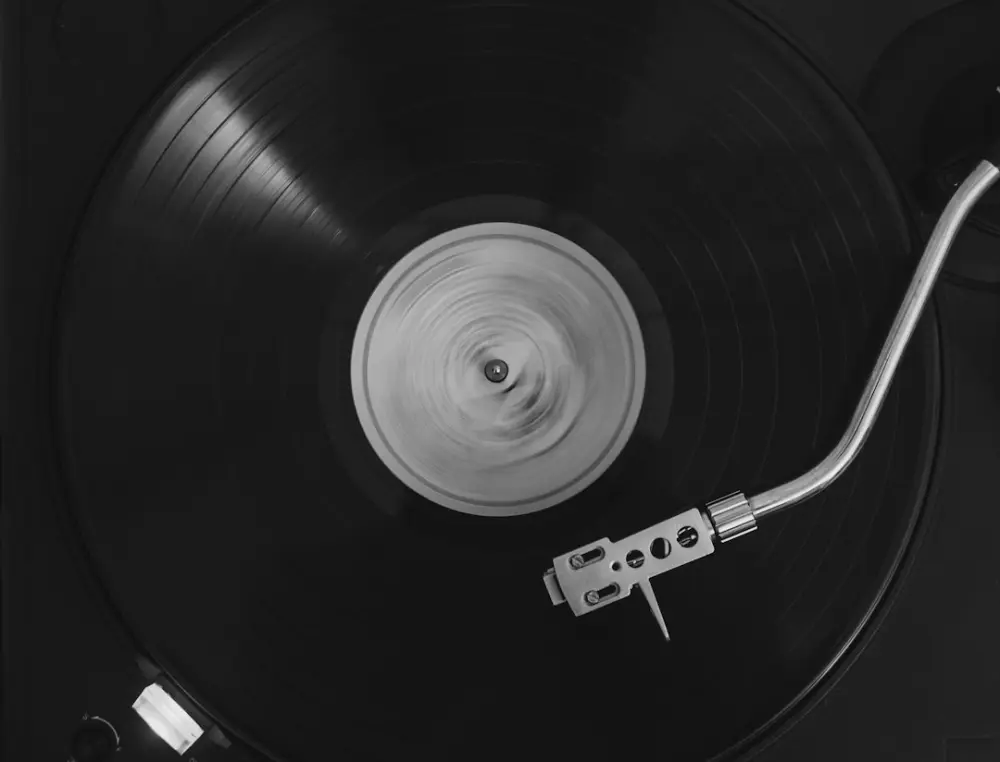
Understanding jazz sounds through examples involves identifying key elements like swing rhythm, blue notes, and complex harmonies within legendary recordings. By analyzing how masters like Charlie Parker navigate musical rules, beginners can transform abstract theory into practical tools for improvisation, eventually creating their own unique sounds through focused listening and deliberate practice.
Start with one recording and listen for a single feature, such as a repeated rhythmic figure or the way a soloist ends a phrase. Replay the passage, sing or tap what you hear, and compare it with another performance. Focused comparisons make unfamiliar jazz vocabulary easier to recognize.
Fundamentals of the Jazz Aesthetic
The first step in recognizing jazz is identifying the "swing" feel. Unlike classical music, which often relies on straight eighth notes, jazz frequently uses a triplet-based subdivision. This creates a loping, propulsive energy. A classic example is Count Basie’s "One O’Clock Jump." If you listen to the rhythm section—the piano, bass, drums, and guitar—you can hear a steady, four-to-the-bar pulse that provides the foundation for the brass and reeds to lean against the beat.
Another fundamental sound is the blue note. These are notes played at a slightly lower pitch than the standard major scale, typically the third, fifth, or seventh degrees. They provide the "soulful" or "mournful" quality associated with the blues. In Duke Ellington’s "Jeep's Blues," Johnny Hodges’ alto saxophone smears these notes, creating a vocal-like quality that is a hallmark of the jazz aesthetic. Recognizing these microtonal inflections helps you understand that jazz is as much about the "inflection" of the note as the note itself.
If you are looking for a broader overview of how these sounds fit into history, a beginner’s guide to jazz music offers a helpful framework for connecting these individual elements to the larger timeline of the genre.
Navigating Musical Rules and Conventions
Jazz often follows a structured format that allows for creative freedom. Most classic recordings use the "head-solos-head" structure. The "head" is the main melody of the song. Once the head is played, the musicians take turns improvising over the chord progression of that melody. Finally, the group returns to the head to close the piece. You can hear this clearly in Miles Davis’s "So What" from the album Kind of Blue.
Within this structure, musicians follow specific harmonic rules. In "So What," the structure is based on Dorian modes rather than standard chord changes. The bass line stays the same, but the soloists must navigate the shifts between D minor and Eb minor. This "modal" approach was a departure from the complex chord substitutions of the earlier bebop era. By following the rules of the mode, the soloists create a sense of space and atmosphere that is different from the dense, fast-moving harmony of other styles.
Understanding these conventions is easier when you can categorize what you hear, such as identifying the 10 essential jazz styles every listener should recognize. Knowing whether a song is a 12-bar blues or a 32-bar AABA standard gives you a map to follow during the improvisation sections.
Charlie Parker’s Approach to Melodic Language
Charlie Parker, often referred to as "Bird," revolutionized jazz by introducing a new melodic language known as bebop. His approach involved using the upper extensions of chords—the 9ths, 11ths, and 13ths—as primary melody notes. This made the music sound more complex and modern. In his recording of "Ornithology," you can hear how he weaves through the chord changes with incredible speed, yet every note feels intentional and connected to the underlying harmony.
Parker also utilized "enclosure" notes, where he would surround a target note with the notes directly above and below it before landing on it. This technique creates a sense of tension and release within a single phrase. When listening to Parker, pay attention to how he starts and ends his phrases. He rarely starts on the first beat of a measure, instead opting for "off-beat" entries that keep the listener off-balance. This rhythmic displacement is a key component of the bebop sound and a major influence on almost every jazz musician who followed him.
To hear this in practice, listen to "Now's the Time." While it is a standard 12-bar blues, Parker’s solo is filled with these chromatic enclosures and rhythmic shifts. He takes a simple blues form and elevates it into a sophisticated masterclass in melodic construction.
Practical Tools for Jazz Improvisation
For those looking to move from listening to playing, the most practical tool in the jazz toolkit is the ii-V-I chord progression. This progression is the backbone of the Great American Songbook and countless jazz standards. In the key of C, this would be D minor 7, G 7, and C major 7. The movement from the "ii" to the "V" creates tension, which is then resolved by the "I" chord.
A great example of this progression in action is "Autumn Leaves." Almost every phrase in the song relies on a ii-V-I (or its minor equivalent, ii-V-i). Musicians use specific scales, like the Mixolydian scale over the "V" chord, to navigate these changes. Another tool is the use of "licks"—short, pre-practiced musical phrases that fit over specific chord movements. While improvisation is about spontaneity, having a library of these tools allows a musician to speak the language fluently while under the pressure of a fast tempo.
In 2026, digital tools and transcription software have made it easier to isolate these progressions in classic recordings. By slowing down a recording of Clifford Brown or Sonny Rollins, you can hear exactly how they handle a ii-V-I, noting which notes they emphasize to make the resolution feel satisfying to the ear.
Developing Your Own Musical Vocabulary
Building a personal vocabulary in jazz is a deliberate process of imitation and adaptation. It is not about copying a master note-for-note forever, but rather about learning the "words" of the language so you can eventually form your own sentences. This process usually involves transcription—the act of writing down or memorizing a solo from a recording.
- Select a short phrase: Choose a 2-to-4 bar phrase from a record that resonates with you. For example, a simple phrase from Chet Baker’s trumpet solo on "But Not For Me."
- Sing the phrase: Before picking up an instrument, internalize the rhythm and pitch by singing it along with the recording. This ensures you have the "feel" correct.
- Find the notes: Locate the notes on your instrument. Pay attention to the articulation—was the note tongued, slurred, or ghosted?
- Analyze the context: Look at what chord was playing during that phrase. Why did those specific notes work? Did the player use a blue note or a chromatic passing tone?
- Apply it: Try to use that same phrase in a different song or a different key. Once you can do this, the phrase becomes part of your own vocabulary.
By repeating this process with different artists—perhaps a phrase from Thelonious Monk’s angular piano playing or Wes Montgomery’s thumb-picked guitar lines—you begin to blend various influences into a style that is uniquely yours.
How to Analyze Sounds in Classic Records
Analyzing a jazz record requires you to listen beyond the soloist. In 2026, we have access to high-fidelity remasters that allow us to hear the nuances of the rhythm section like never before. When you listen to a record like John Coltrane’s A Love Supreme, don't just focus on the saxophone. Listen to how Elvin Jones uses the polyrhythmic patterns on the drums to create a wall of sound that pushes Coltrane forward.
Notice the "comping" (accompanying) style of the pianist. In the Bill Evans Trio recordings, such as Sunday at the Village Vanguard, Evans doesn't just play chords behind the bassist Scott LaFaro; he engages in a musical conversation. The bass isn't just keeping time; it’s playing melodic counterpoints. This level of interplay is what makes jazz a communal art form. Analyzing these interactions helps you understand that the "sound" of a classic record is the result of collective improvisation, not just a single person's vision.
Look for the "space" in the music as well. In Miles Davis’s later work, the notes he *doesn't* play are just as important as the ones he does. By analyzing the use of silence and dynamics, you gain a deeper appreciation for the emotional weight a single, well-placed note can carry.
Mastering Improvisation at Jazz Central Station
The journey toward understanding jazz sounds is a continuous process of discovery. Whether you are identifying a swing rhythm for the first time or transcribing a complex Charlie Parker solo, the goal is to deepen your connection to the music. By using classic records as your primary text, you are learning from the masters who defined the genre’s DNA. This practical, example-based approach turns abstract musical theory into a tangible, enjoyable experience.
At Jazz Central Station, we believe that every listener and aspiring musician deserves a clear path into this vast catalog. By focusing on these essential sounds and the records that made them famous, you can build a foundation that lasts a lifetime. Exploring the nuances of improvisation and the history of these legendary artists is what we do best, helping you navigate the world of jazz with confidence and curiosity in 2026 and beyond.